How to Get a Driving License in Spain in English: Complete Guide 2024
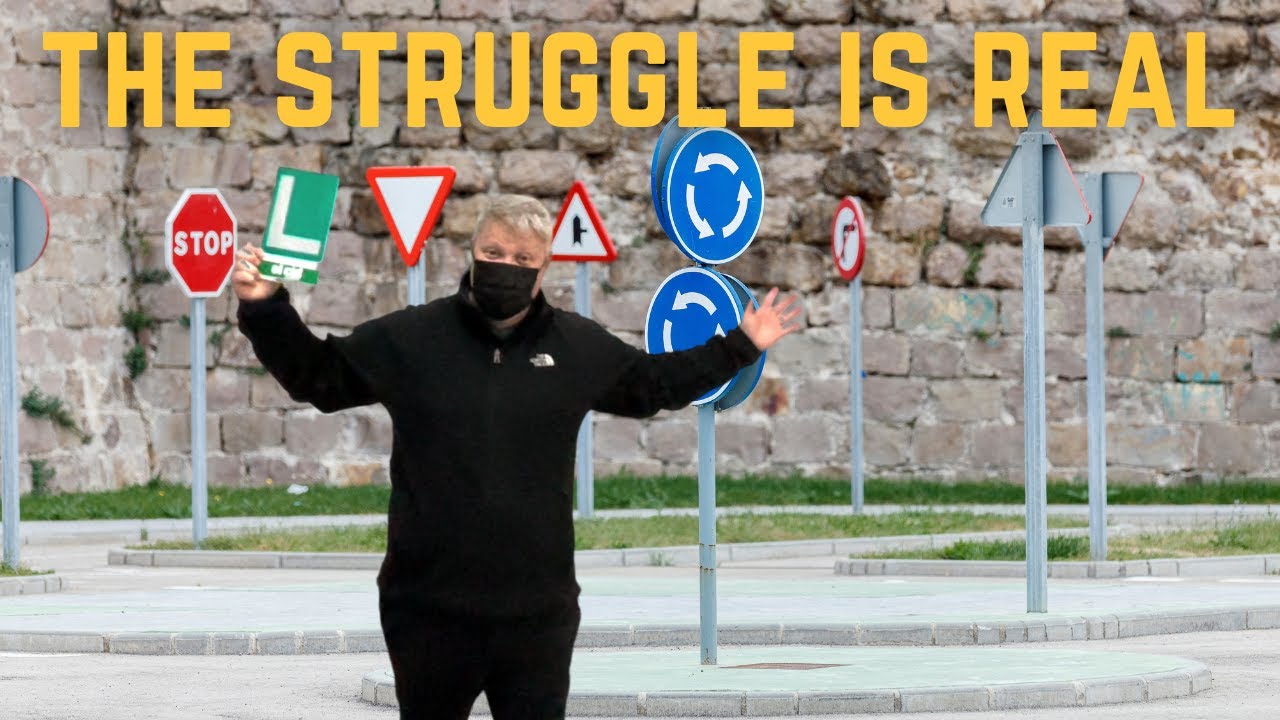
Are you planning to live, work, or travel in Spain and wondering how to get a driving license in Spain in English? Navigating the process of obtaining a Spanish driving license can seem daunting, especially if you’re not fluent in Spanish. Whether you’re a newcomer or just need to convert your existing license, understanding the steps, requirements, and language options available is crucial. This guide will walk you through everything you need to know in 2024, from the initial paperwork to passing the theory and practical exams, all explained clearly in English.
Spain has specific rules for residents and foreigners when it comes to driving licenses, and knowing these can save you time and stress. Here, you’ll find detailed information about eligibility, documentation, learning resources in English, exam formats, and tips for success. By the end of this guide, you’ll feel confident about how to get your driving license in Spain in English and be ready to hit the road legally and safely.
Understanding the Basics: Who Needs a Spanish Driving License?
Before diving into the process, it’s important to clarify who must obtain a Spanish driving license and under what conditions. Spain’s rules depend largely on your residency status and the origin of your current driving license, if you have one.
Residents vs. Visitors: When Is a Spanish License Required?
If you’re a resident in Spain, meaning you live there for more than six months a year, you are generally required to hold a Spanish driving license to drive legally. Visitors or tourists can usually use their foreign driving licenses for short periods, but this depends on your home country’s agreements with Spain.
For example, if you come from an EU or EEA country, your license is valid throughout Spain without needing to convert it. However, if your license was issued outside the EU/EEA, you may need to exchange it for a Spanish one or even take the driving tests, depending on the reciprocity agreements between Spain and your country.
License Validity and Conversion Rules
Spanish law allows residents to drive with their foreign licenses for up to two years after registering as residents. After that, you must either exchange your license or apply for a Spanish one. The process varies:
- License exchange: For countries with agreements (like the US, Canada, and some Latin American nations), you can exchange your license without taking exams.
- Full process: For countries without agreements, you must apply as a new driver, passing both theory and practical tests.
Knowing your situation will help you plan how to get your Spanish driving license smoothly and avoid fines or legal problems.
Step 1: Meeting the Requirements to Apply for a Driving License
Spain has clear eligibility criteria for obtaining a driving license. These ensure that all drivers meet safety and health standards. Let’s break down what you need to start the process.
Age and Residency Requirements
The minimum age to apply for a car driving license (category B) in Spain is 18 years. For motorcycles and other vehicle categories, the age varies slightly. Additionally, you must be a resident in Spain or prove legal residence to register for the tests.
Residency is usually demonstrated by registering in the municipal registry (empadronamiento) and holding a valid residence card or visa. This step is crucial because the traffic authorities (DGT) require proof of your legal status in Spain.
Medical and Physical Fitness
Before applying, you must pass a medical examination at an authorized center (Centro de Reconocimiento de Conductores). This test checks your vision, hearing, coordination, and overall health to ensure you can drive safely. The certificate you receive is valid for a limited period, so timing your exam close to your license application is important.
Required Documentation
Gathering the right documents early can prevent delays. Typically, you’ll need:
- Valid identification (passport or national ID)
- Proof of residence in Spain
- Medical fitness certificate
- Passport-size photographs
- Proof of payment of fees
Having all these ready will streamline your application process and make it easier to schedule your theory exam.
Step 2: Preparing for the Theory Test in English
The theory exam is often the biggest hurdle, especially if Spanish isn’t your first language. Fortunately, Spain offers the option to take the test in English, which can make a huge difference in your confidence and performance.
What the Theory Test Covers
The theory exam tests your knowledge of traffic rules, road signs, safety regulations, and driving ethics. It consists of multiple-choice questions, typically 30, and you must answer at least 27 correctly to pass. The questions are updated regularly to reflect new laws and road safety measures.
Expect topics like speed limits, priority rules, alcohol and drug effects, first aid basics, and environmental considerations. Familiarizing yourself with these areas is essential for success.
Finding English Study Materials
Many driving schools and online platforms provide study materials and practice tests in English. These resources include:
- Official manuals translated into English
- Mock tests simulating the real exam format
- Video tutorials explaining complex rules
Using these tools regularly can improve your understanding and help you identify weak points. Don’t underestimate the value of practice exams—they reduce anxiety and increase your chances of passing on the first try.
Booking and Taking the Theory Exam
You can book your theory test online through the Dirección General de Tráfico (DGT) website or via your driving school. When scheduling, select English as your preferred language. On exam day, bring your ID and the application receipt.
The test is computer-based and timed, usually lasting about 30 minutes. After finishing, you’ll receive your results immediately. If you don’t pass, you can retake the test after a minimum waiting period, so don’t get discouraged if it takes a couple of tries.
Step 3: Practical Driving Lessons and Test
Once you pass the theory test, it’s time to get behind the wheel. Practical training and the driving test itself are critical steps that confirm your ability to drive safely in real traffic conditions.
Choosing a Driving School
While it’s possible to prepare privately, most people opt for professional driving schools. Many schools in Spain offer instruction in English or have bilingual instructors, which can ease communication and learning.
Look for schools with good reviews, transparent pricing, and flexible lesson schedules. The number of lessons you’ll need depends on your prior experience; beginners usually require 20-30 hours, while experienced drivers might need fewer.
What the Practical Test Involves
The practical exam lasts about 30-40 minutes and includes:
- Vehicle checks (lights, indicators, brakes)
- Basic maneuvers (parking, reversing, hill starts)
- Driving in traffic with attention to road signs and safety
- Reaction to unexpected situations (pedestrians, obstacles)
The examiner will evaluate your control, observation skills, and adherence to traffic laws. Staying calm and focused is key. Remember, the practical test can also be requested in English if you notify the DGT in advance.
Tips to Pass the Practical Test
Practice is essential, but also pay attention to these points:
- Drive defensively and anticipate other drivers’ actions
- Use mirrors frequently and signal every maneuver
- Maintain correct speed and respect traffic signs
- Stay relaxed and breathe deeply to control nerves
Taking mock tests with your instructor can help you get used to the test conditions and receive constructive feedback.
Step 4: After Passing – Getting Your Spanish Driving License
After successfully passing both theory and practical exams, you’ll receive a provisional license immediately. The official driving license card will be mailed to your registered address within a few weeks.
Provisional License and Restrictions
The provisional license allows you to drive while waiting for your official card. It may come with certain restrictions, such as driving only accompanied by a licensed adult or during specific hours, depending on your age and local regulations.
Be sure to check the conditions attached to your provisional license to avoid fines or penalties.
Receiving the Official License Card
The official Spanish driving license is a credit card-sized document that proves your right to drive in Spain and the EU. It includes your personal data, license categories, and validity dates. Keep it safe and carry it whenever you drive.
License Renewal and Validity
Spanish driving licenses are generally valid for 10 years for drivers under 65, and shorter periods for older drivers, with mandatory medical checks. Renewals can be done at authorized centers and require a medical fitness certificate.
Staying informed about renewal deadlines helps you avoid driving with an expired license, which can lead to fines or insurance issues.
Step 5: Special Considerations and Useful Tips
Some situations require additional attention or offer alternatives when obtaining a driving license in Spain. Here are important points to keep in mind.
Driving License for Non-EU Citizens
If you come from outside the EU or EEA and your country does not have a license exchange agreement with Spain, you must follow the full process, including theory and practical exams. Starting early and using English study materials will help you manage this smoothly.
Also, be aware that your foreign license may need to be surrendered when you get your Spanish one, so plan accordingly.
Using International Driving Permits (IDP)
Tourists and short-term visitors can drive with an International Driving Permit along with their national license for up to six months. This is a temporary solution but not valid for residents. Applying for an IDP before arriving in Spain can be a convenient option.
Driving License Categories and Their Requirements
Spain offers various license categories depending on the vehicle type:
- B: Cars and light vehicles
- A1/A2/A: Motorcycles of increasing engine sizes
- C and D: Commercial vehicles and buses
The requirements, minimum ages, and test formats vary, so make sure you apply for the correct category. This guide focuses mainly on the standard car license (category B).
Tips for Non-Spanish Speakers
Besides taking exams in English, here are some tips to ease your journey:
- Use bilingual driving schools or instructors
- Join online forums or social media groups for expats learning to drive in Spain
- Practice vocabulary related to driving and road signs
- Don’t hesitate to ask examiners for clarification if allowed
Being proactive and prepared will reduce language barriers and help you succeed faster.
FAQ – Common Questions About Getting a Driving License in Spain in English
Can I take both the theory and practical driving tests in English?
Yes, the Dirección General de Tráfico (DGT) allows candidates to take the theory and practical exams in English upon request. When booking your tests, specify English as your preferred language. Keep in mind that availability may depend on your test center, so it’s best to confirm in advance. Taking exams in English can significantly improve your comprehension and reduce stress during testing.
How long does the entire process to get a Spanish driving license usually take?
The duration varies depending on individual circumstances. For new drivers starting from scratch, including studying and taking exams, it can take anywhere from 2 to 6 months. If you are exchanging a license from a country with an agreement, the process might be quicker, often completed within a few weeks after submitting your documents. Consistency in study and scheduling exams early helps speed up the process.
What if I fail the theory or practical test? How many times can I retake them?
You can retake the theory and practical tests multiple times if needed. After failing the theory exam, you must wait at least 3 working days before retaking it. For the practical test, the waiting period is usually 10 calendar days. There is no fixed limit on the number of attempts, but repeated failures might require additional training or assessments. Staying calm and practicing thoroughly will improve your chances.
Do I need to attend a driving school, or can I study and practice on my own?
While attending a driving school is not mandatory, it is highly recommended, especially if you’re unfamiliar with Spain’s traffic rules or the exam format. Professional instructors provide structured lessons, teach you local driving habits, and help prepare you for the exams in English if needed. Self-study is possible, but without practical guidance, you may face challenges during the practical test.
Is it expensive to get a driving license in Spain?
The total cost varies by region and school but generally includes fees for medical exams, theory and practical tests, driving lessons, and administrative costs. On average, expect to spend between 500 and 1,000 euros. Prices can be higher if you require many driving lessons or multiple exam attempts. Budgeting in advance and choosing reputable schools can help you manage expenses effectively.
Can I use my foreign driving license to rent a car in Spain?
Most rental companies accept valid foreign driving licenses, especially if they are in Spanish, English, or accompanied by an International Driving Permit (IDP). However, if you become a resident or plan to drive long-term, you should obtain a Spanish license. Always check the rental agency’s specific requirements before booking, as policies may vary.
What should I do if I lose my Spanish driving license?
If you lose your license, you must apply for a replacement at the DGT or authorized centers. You will need to provide identification, proof of residence, and pay a replacement fee. It’s advisable to report the loss promptly to avoid misuse and ensure you can continue driving legally. The replacement card is usually issued within a few weeks.